

Getting your product discovered online is no longer limited to appearing on the first page of Google. People now discover products through AI assistants, social platforms, marketplaces, comparison websites, YouTube, forums, and conversational search.
Expertise is valuable, but expertise alone does not guarantee visibility in modern search. Your brand may have experienced professionals, original insights, and years of industry knowledge
Search visibility is no longer determined only by keywords, backlinks, and rankings. Search engines and AI-driven platforms increasingly need to understand who your brand is, what it offers, which topics it specializes in, and how it connects to related entities.
SEO traffic rarely stops growing without a reason. One month, your website may attract more visitors, rank for new keywords, and generate steady leads.
Getting your website noticed online takes more than publishing a few blog posts or adding keywords to your pages.
Artificial intelligence has transformed how people discover products online. Instead of relying only on traditional search results, users now ask AI assistants for recommendations, comparisons, and buying advice.

Artificial intelligence has transformed the way search engine optimization works. Today, an SEO company must go beyond traditional keyword research and link building to remain competitive.
Search engines and AI-powered answer engines have evolved dramatically. Ranking a website today requires far more than inserting keywords or building random backlinks.
Businesses no longer compete only for traditional search rankings. Today, AI-powered search experiences across Google AI Overviews, ChatGPT, Gemini, Claude, Microsoft Copilot, and Perplexity are transforming how customers discover local businesses.

Search engines have evolved beyond matching keywords. Today, they understand people, businesses, products, services, locations, and concepts as entities connected through relationships.

Artificial intelligence has changed how people discover information online. Instead of clicking through multiple search results, users now rely on AI-powered platforms to generate direct answers.

Search engine algorithms are constantly evolving, and what works today may become ineffective tomorrow. If you rely on organic traffic for growth, adapting to these changes is not optional—it’s essential.

Search engine optimization often looks simple from the outside—rank higher, get more traffic, and increase revenue. But behind every successful campaign lies a structured, data-driven process managed by a dedicated team.

Growing traffic is easy to measure, but turning that traffic into revenue is where real success lies. Many businesses invest in search engine optimization without clearly connecting it to sales outcomes.

If your website isn’t ranking as quickly as you’d like, the issue often lies in how well your content is optimized. Search engines don’t just look for keywords anymore—they evaluate relevance, structure, intent, and user experience.
In today’s competitive digital landscape, guesswork is no longer enough to achieve sustainable online success. Businesses that rely on assumptions often struggle to see consistent results. This is where data-driven SEO becomes essential.
Driving traffic to your website is no longer the ultimate goal—converting that traffic into leads and customers is what truly matters. Many businesses struggle with attracting visitors who browse but never take action.
Investing in SEO is one of the smartest long-term strategies for business growth—but only if you can measure its return on investment (ROI). Many businesses struggle to quantify the real impact of SEO because results often build gradually.
Search engine optimization is evolving faster than ever. With constant algorithm updates, increasing competition, and smarter user behavior, businesses can no longer rely on outdated SEO tactics.
In today’s digital-first world, small businesses face intense competition—not just from local rivals, but from national and even global brands. Without a strong online presence, it becomes difficult to attract customers, build credibility, and grow sustainably.
Hiring the right SEO partner can be the difference between steady online growth and wasted marketing spends. While many businesses understand the importance of search engine optimization, they often overlook critical factors when choosing an agency.
In today’s competitive digital landscape, simply having a website is not enough. You need visibility, authority, and consistent traffic to stand out. That’s where a professional SEO partner plays a crucial role.
If your website isn’t appearing on the first page of search results, you’re missing out on valuable traffic, leads, and revenue. That’s where a professional SEO strategy comes into play.
If you’ve ever wondered how some websites consistently appear at the top of search engine results while others struggle to gain visibility, the answer often lies in professional SEO services.

In today’s competitive digital marketplace, having a visually appealing website is not enough. If your website doesn’t perform well in search engine rankings, you miss out on valuable traffic and potential customers.
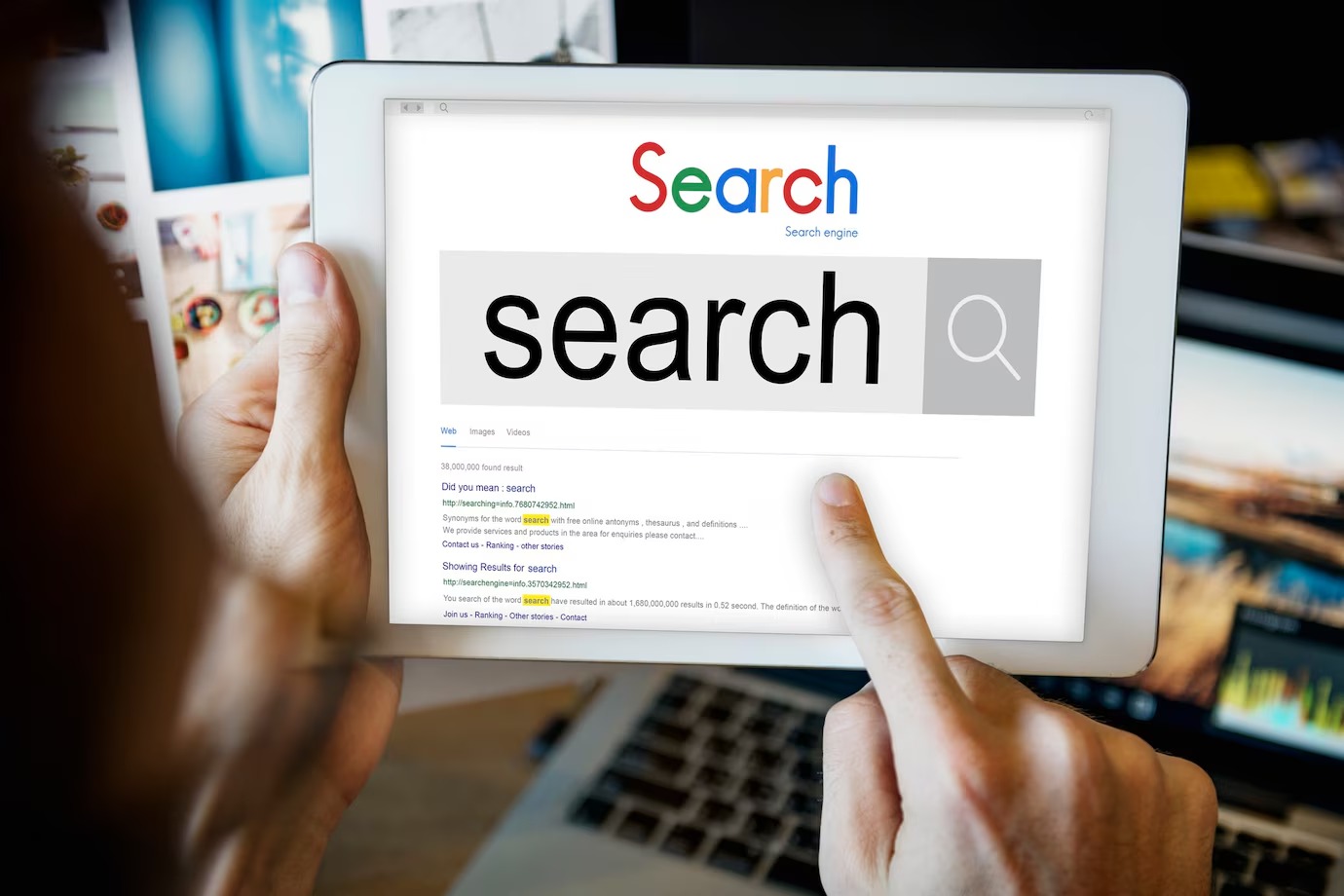
In today’s digital-first world, building a website isn’t just about having an online presence—it’s about building a presence that ranks well on search engines and delivers measurable business results.
When it comes to search engine optimization (SEO), the rules are always evolving, making it essential to stay informed about the latest strategies.
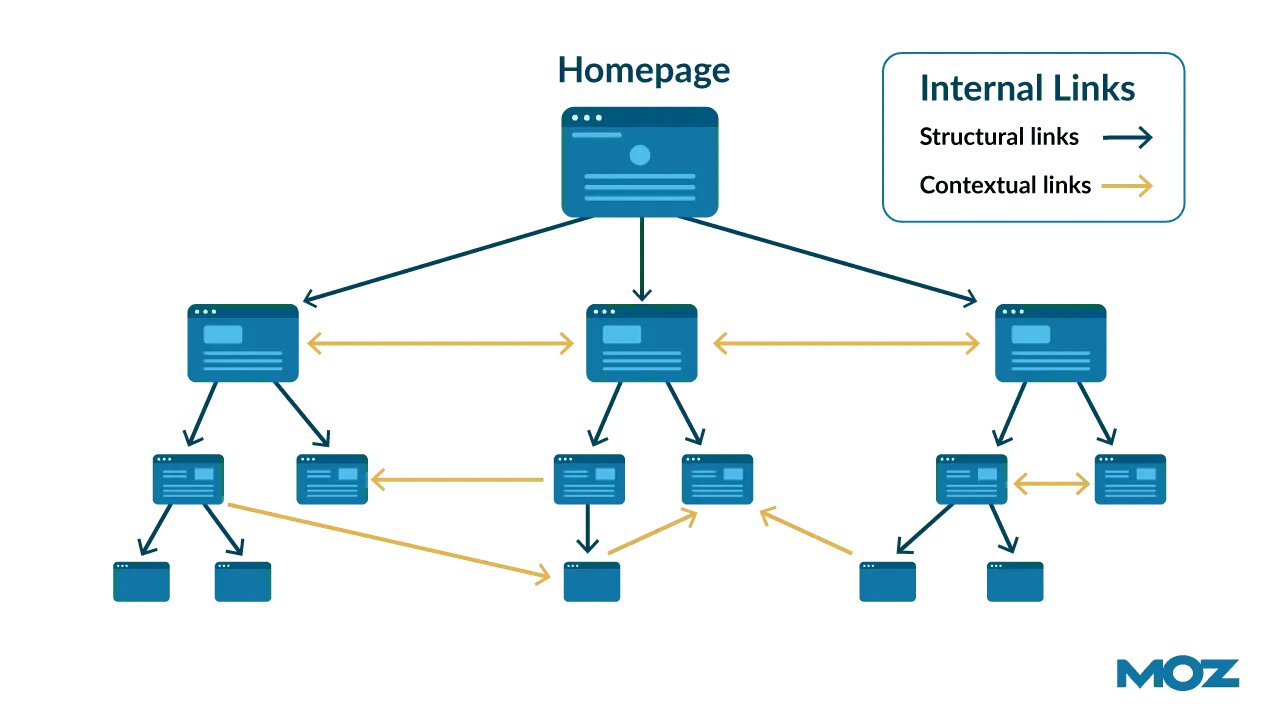
As a website owner or digital marketer, you’ve probably heard the term “internal linking” tossed around when discussing SEO strategies.
Fusce elementum nibh, quis suscipit quam venenatis eget. Donec ut egestas nunc. Proin convallis velit purus, quis sollicitudin dolor vehicula ac2.