Author: admin

  • How an SEO Company Improves Your Website Ranking Step-by-Step

    How an SEO Company Improves Your Website Ranking Step-by-Step

    If your website isn’t appearing on the first page of search results, you’re missing out on valuable traffic, leads, and revenue. That’s where a professional SEO strategy comes into play. A reliable SEO partner doesn’t just optimize your website randomly—they follow a structured, step-by-step approach to improve your rankings sustainably.

    In this guide, you’ll discover exactly how an SEO company works behind the scenes to elevate your website’s visibility and performance.

    Step 1: Comprehensive Website Audit

    The first step any professional SEO team takes is a detailed website audit. This process identifies technical issues, content gaps, and performance barriers that prevent your site from ranking well.

    An audit typically covers:

    • Site speed and performance
    • Mobile responsiveness
    • Broken links and crawl errors
    • URL structure and indexing issues

    By diagnosing these problems early, an SEO company builds a strong foundation for all future optimization efforts.

    Step 2: Keyword Research and Strategy

    Once your website is analyzed, the next step is identifying the right keywords. This is not just about picking popular search terms—it’s about finding keywords that match your audience’s intent.

    A strategic approach includes:

    • Short-tail and long-tail keyword research
    • Competitor keyword analysis
    • Search intent mapping

    A professional SEO Company understands how to target keywords that bring not just traffic, but qualified visitors who are more likely to convert.

    Step 3: On-Page Optimization

    After selecting the right keywords, the focus shifts to optimizing your website pages. On-page SEO ensures that search engines clearly understand your content and rank it appropriately.

    Key elements include:

    • Optimizing title tags and meta descriptions
    • Structuring headers (H1, H2, H3) properly
    • Adding keyword-rich, high-quality content
    • Improving internal linking

    This step ensures your pages are both user-friendly and search-engine-friendly.

    Step 4: Technical SEO Improvements

    Technical SEO plays a critical role in how search engines crawl and index your site. Even the best content won’t rank if your website has technical flaws.

    An SEO company works on:

    • Improving site speed
    • Fixing crawl errors
    • Implementing structured data
    • Enhancing mobile usability

    These improvements help search engines access your site efficiently, which directly impacts your ranking potential.

    Step 5: High-Quality Content Creation

    Content is at the heart of every successful SEO campaign. An SEO company develops valuable, informative, and engaging content tailored to your audience.

    This includes:

    • Blog posts targeting relevant keywords
    • Landing pages optimized for conversions
    • Informational guides and resources

    Consistently publishing high-quality content builds authority and keeps your website relevant in search engine results.

    Step 6: Link Building and Authority Growth

    Backlinks—links from other websites to yours—are one of the most important ranking factors. A strong backlink profile signals trust and authority to search engines.

    An SEO company focuses on:

    • Acquiring high-quality backlinks
    • Outreach to relevant websites
    • Guest posting and content promotion

    This step significantly boosts your domain authority and improves your chances of ranking higher.

    Step 7: Performance Tracking and Analytics

    SEO is not a one-time effort—it requires continuous monitoring and refinement. An SEO company tracks your website’s performance using advanced analytics tools.

    They measure:

    • Keyword rankings
    • Organic traffic growth
    • Bounce rates and user behavior
    • Conversion rates

    These insights help refine strategies and ensure consistent improvement over time.

    Step 8: Continuous Optimization and Updates

    Search engine algorithms are constantly evolving. What works today may not work tomorrow. That’s why ongoing optimization is essential.

    A trusted partner like a professional SEO Company continuously:

    • Updates content based on trends
    • Adjusts strategies according to algorithm changes
    • Improves underperforming pages

    This ensures your website remains competitive and maintains its ranking over time.

    Why Choose a Professional SEO Partner?

    Handling SEO on your own can be overwhelming, especially with constantly changing algorithms and competition. A dedicated SEO company brings expertise, tools, and proven strategies to the table.

    If you’re ready to boost your website’s visibility and attract more customers, it’s time to Contact us today and take the first step toward sustainable growth.

    Frequently Asked Questions

    How long does it take to see SEO results?

    SEO is a long-term strategy. Typically, noticeable improvements can be seen within 3 to 6 months, depending on your industry and competition.

    Why is keyword research important in SEO?

    Keyword research helps target the right audience. It ensures your website appears in searches that are relevant to your business and services.

    Can I do SEO without hiring an SEO company?

    Yes, but it requires time, expertise, and consistent effort. A professional SEO company can accelerate results and avoid costly mistakes.

    What is the role of backlinks in SEO?

    Backlinks act as votes of confidence from other websites. The more high-quality backlinks you have, the more trustworthy your site appears to search engines.

    How does content affect SEO rankings?

    High-quality content improves user engagement, increases dwell time, and helps search engines understand your site’s relevance, all of which boost rankings.

    Is SEO a one-time process?

    No, SEO is ongoing. Continuous optimization is necessary to maintain and improve rankings as search engine algorithms evolve.


  • What Does an SEO Company Actually Do? A Complete Guide

    What Does an SEO Company Actually Do? A Complete Guide

    If you’ve ever wondered how some websites consistently appear at the top of search engine results while others struggle to gain visibility, the answer often lies in professional SEO services. But what exactly does an SEO company do, and how can it help your business grow online? This complete guide will walk you through everything you need to know.

    Understanding the Role of an SEO Company

    An SEO company specializes in improving your website’s visibility on search engines like Google. Their primary goal is to help your business rank higher for relevant keywords, attract targeted traffic, and ultimately increase conversions.

    When you partner with a professional SEO Company, you’re not just paying for rankings—you’re investing in a long-term digital growth strategy.

    Key Services Offered by an SEO Company

    Website Audit and Analysis

    The first step an SEO company takes is conducting a comprehensive website audit. This involves analyzing your website’s current performance, identifying technical issues, and evaluating on-page and off-page factors.

    Key elements reviewed include:

    • Website speed and performance
    • Mobile responsiveness
    • URL structure
    • Meta tags and headings
    • Existing keyword rankings

    This audit forms the foundation for a tailored SEO strategy.

    Keyword Research and Strategy

    Keyword research is the backbone of any successful SEO campaign. An SEO company identifies high-value keywords your target audience is searching for.

    They focus on:

    • Short-tail and long-tail keywords
    • Search intent (informational, transactional, navigational)
    • Competitor keyword analysis

    By targeting the right keywords, your business can attract users who are more likely to convert.

    On-Page Optimization

    On-page SEO involves optimizing individual pages on your website to improve rankings and user experience.

    This includes:

    • Optimizing title tags and meta descriptions
    • Structuring content with proper headings (H1, H2, H3)
    • Adding internal links
    • Improving content readability
    • Using keywords naturally within the content

    An SEO company ensures every page aligns with search engine guidelines.

    Technical SEO

    Technical SEO focuses on improving the backend structure of your website so search engines can crawl and index it efficiently.

    Important aspects include:

    • Fixing broken links and errors
    • Improving site speed
    • Implementing XML sitemaps
    • Ensuring proper indexing
    • Enhancing website security (HTTPS)

    Without strong technical SEO, even the best content may struggle to rank.

    Content Creation and Optimization

    Content is a major ranking factor. SEO companies create high-quality, engaging, and optimized content that resonates with both users and search engines.

    They help with:

    • Blog writing
    • Landing pages
    • Service pages
    • Content updates and refreshes

    Well-optimized content not only improves rankings but also builds authority and trust.

    Link Building

    Backlinks (links from other websites to yours) are a critical ranking factor. SEO companies develop strategies to acquire high-quality backlinks.

    Common techniques include:

    • Guest posting
    • Outreach campaigns
    • Business directory submissions
    • Content promotion

    Quality matters more than quantity—reputable links boost your website’s credibility.

    Local SEO Optimization

    If your business serves a specific location, local SEO is essential. SEO companies optimize your online presence for local searches.

    This includes:

    • Google Business Profile optimization
    • Local citations
    • Location-based keywords
    • Customer reviews management

    Local SEO helps your business appear in “near me” searches and map listings.

    Performance Tracking and Reporting

    SEO is not a one-time task—it requires continuous monitoring and improvement. SEO companies provide regular reports to track progress.

    Metrics typically include:

    • Keyword rankings
    • Organic traffic
    • Bounce rate
    • Conversion rates

    These insights help refine strategies for better results over time.

    Why Your Business Needs an SEO Company

    Managing SEO on your own can be overwhelming, especially with constantly changing algorithms. A professional SEO company brings expertise, tools, and proven strategies to the table.

    Here’s why hiring one makes sense:

    • Saves time and resources
    • Delivers measurable results
    • Keeps you updated with industry trends
    • Provides a competitive edge

    With the right team, you can focus on running your business while experts handle your online growth.

    How to Choose the Right SEO Company

    Not all SEO companies deliver the same results. When selecting one, consider the following:

    • Proven track record and case studies
    • Transparent pricing and reporting
    • Customized strategies (not one-size-fits-all)
    • Ethical (white-hat) SEO practices
    • Strong communication and support

    A reliable partner will work closely with you to understand your goals and deliver tailored solutions.

    Final Thoughts

    An SEO company does far more than just improve rankings—it builds a strong digital foundation for your business. From technical optimization to content creation and link building, every aspect is designed to increase visibility, traffic, and conversions.

    If you’re ready to take your online presence to the next level, it’s time to partner with experts. Contact us today and discover how a strategic SEO approach can transform your business.

    FAQs About SEO Companies

    What does an SEO company actually do?

    An SEO company improves your website’s visibility on search engines through strategies like keyword research, content optimization, technical fixes, and link building.

    How long does SEO take to show results?

    SEO is a long-term strategy. Most businesses start seeing noticeable results within 3 to 6 months, depending on competition and industry.

    Is hiring an SEO company worth it?

    Yes, especially if you want sustainable growth. An SEO company provides expertise and tools that help generate consistent organic traffic and leads.

    What is the difference between on-page and off-page SEO?

    On-page SEO focuses on optimizing elements within your website, while off-page SEO involves external factors like backlinks and brand mentions.

    Can SEO guarantee #1 rankings?

    No ethical SEO company can guarantee top rankings, as search engine algorithms are constantly changing. However, they can significantly improve your chances of ranking higher.

    How much does SEO cost?

    SEO pricing varies based on services, competition, and goals. It’s best to choose a plan that aligns with your business needs and budget.

  • How Does an SEO Company Improve Your Website with Technical SEO?

    How Does an SEO Company Improve Your Website with Technical SEO?

    In today’s competitive digital marketplace, having a visually appealing website is not enough. If your website doesn’t perform well in search engine rankings, you miss out on valuable traffic and potential customers. That’s where a professional SEO company plays a critical role—especially when it comes to technical SEO, a foundational element that ensures your site meets the technical requirements of modern search engines.

    So, how does an SEO company improve your website through technical SEO strategies? Let’s dive into the actionable ways an experienced SEO partner can enhance your site’s performance and visibility.

    Website Audit and Technical Diagnosis

    A reputable SEO Company starts with a comprehensive technical audit of your website. This assessment uncovers existing issues such as broken links, crawl errors, slow loading times, duplicate content, missing metadata, and more. These factors might seem small, but they can seriously impact your search engine rankings. Once identified, the SEO experts prioritize fixing these issues to create a strong foundation for future optimization.

    Enhancing Site Speed and Performance

    Page speed is a ranking factor, and users expect a website to load within a few seconds. A professional SEO company will optimize your website’s speed by compressing images, reducing server response time, enabling browser caching, and minimizing unnecessary code. Faster websites not only improve user experience but also boost search engine visibility.

    Mobile Optimization

    With more users browsing on smartphones and tablets, mobile responsiveness is a must. An SEO company ensures your site design is fully mobile-friendly. This includes optimizing the layout for smaller screens, adjusting font sizes, ensuring tap targets are properly spaced, and minimizing intrusive interstitials. Google also uses mobile-first indexing, meaning it primarily uses the mobile version of content for indexing and ranking—making mobile optimization a critical technical SEO element.

    Fixing Crawlability and Indexing Issues

    Search engines use bots to crawl and index your site. If these bots encounter barriers—like blocked pages in your robots.txt file, incorrect canonical tags, or unoptimized sitemaps—your pages may not get indexed. A professional SEO company audits these elements and ensures your site’s structure allows bots to crawl it efficiently. They will also submit optimized XML sitemaps and check for crawl errors through Google Search Console.

    Structured Data Implementation

    Adding structured data (schema markup) helps search engines understand your content better. This can lead to enhanced search listings known as rich snippets—like star ratings, event dates, or product prices. An experienced SEO company implements the right schema for your content types, improving your visibility and click-through rates in search results.

    HTTPS and Security Enhancements

    Website security is a ranking factor. If your website doesn’t have an SSL certificate and shows “Not Secure” in browsers, it can deter users and reduce trust. An SEO company ensures your site uses HTTPS, which secures data transmission and improves search rankings. They also help configure your security headers and protocols to align with best practices.

    Canonicalization and URL Optimization

    Duplicate content can confuse search engines and dilute your page authority. A good SEO partner uses canonical tags to point to the preferred version of a webpage. They also standardize URL structures to be clean, descriptive, and keyword-optimized. These efforts reduce indexing errors and consolidate ranking signals, improving overall SEO performance.

    Internal Linking and Site Architecture

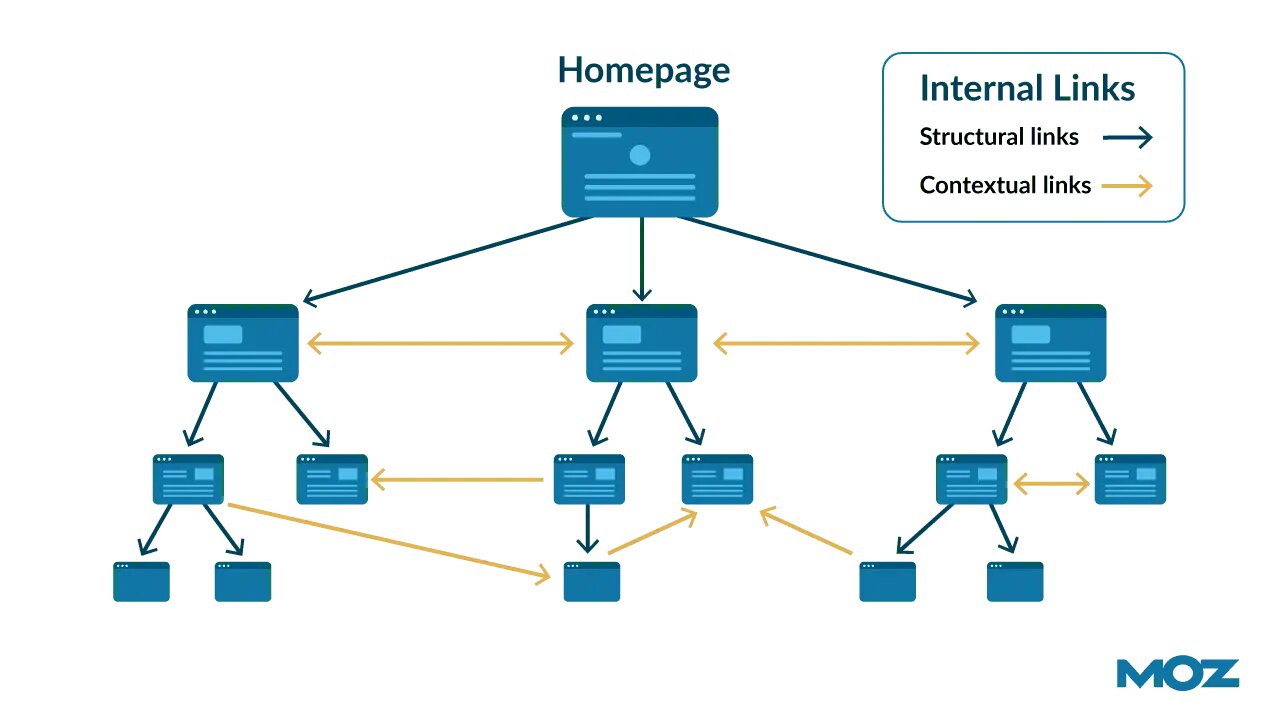
    Technical SEO isn’t just about fixing errors; it’s also about improving usability and crawl efficiency. A professional SEO company will optimize your internal linking strategy, ensuring that link equity is properly distributed across pages. They’ll also streamline your site’s hierarchy so that important pages are no more than a few clicks from the homepage. This not only helps users navigate easily but also assists search engines in understanding the structure and importance of your content.

    Ongoing Monitoring and Maintenance

    Technical SEO is not a one-time task. Search engine algorithms, web technologies, and user expectations evolve continuously. That’s why an experienced SEO company provides ongoing monitoring. They regularly audit your site, track performance metrics, resolve emerging issues, and adjust strategies as needed to maintain and improve your rankings over time.

    SEO Integration with Other Digital Strategies

    A strong SEO company doesn’t work in isolation. They align technical SEO with your broader digital strategy—content marketing, social media, and paid advertising. By ensuring Technical SEO foundations are in place, they amplify the results of your other marketing efforts, creating a cohesive approach that drives sustainable growth.

    Conclusion

    Technical SEO forms the backbone of your search visibility. Partnering with a skilled SEO company ensures your website is not just functional but optimized to meet ever-changing search engine requirements. From site audits and speed enhancements to mobile readiness and crawlability improvements, their technical expertise can significantly enhance your website’s performance, visibility, and user experience.

    Need help with Technical SEO or want to explore customized solutions? Check out our results-driven SEO Packages designed to meet your business needs.

  • How to Build a Website That Ranks: Tips from an SEO Company

    How to Build a Website That Ranks: Tips from an SEO Company

    In today’s digital-first world, building a website isn’t just about having an online presence—it’s about building a presence that ranks well on search engines and delivers measurable business results. Many businesses struggle with visibility, traffic, and conversions simply because their websites are not designed with search engine optimization (SEO) in mind. That’s where the expertise of a professional SEO company can be invaluable.

    If you’re ready to create a website that not only looks great but also performs well in search results, these actionable tips from a trusted SEO company will guide your success.

    Start with a Strong Foundation: Keyword Research

    Every successful website starts with keyword research. Before a single line of code is written or a design is selected, an SEO company will dive deep into understanding your target audience and the search terms they use. This process helps identify high-volume, low-competition keywords that will serve as the foundation for your content and on-page strategy.

    From page titles to meta descriptions, headers, and body content, these keywords must be strategically integrated—not stuffed—to ensure your site is easily discoverable by search engines.

    Build a Clean, Crawlable Site Structure

    Search engines love websites that are easy to crawl and understand. A reputable SEO Company focuses on creating a logical, hierarchical site structure with clear internal linking and proper use of sitemaps. Pages should be no more than a few clicks away from the homepage. URLs should be simple, keyword-friendly, and consistent.

    Avoid messy navigation and cluttered menus. A clean structure helps users find information faster and keeps search engine bots happy, increasing your chances of ranking higher.

    Optimize for Speed and Mobile Responsiveness

    Google’s algorithm increasingly prioritizes websites that load quickly and perform well on mobile devices. If your site is slow or not mobile-friendly, it’s likely to drop in rankings. An experienced SEO company pays close attention to page load speed, image optimization, code cleanliness, and responsive design.

    Use tools like Google PageSpeed Insights or GTmetrix to identify and fix performance issues. Consider using lightweight themes, proper caching, and content delivery networks (CDNs) to improve speed across all devices.

    Content is Still King—but Only If It’s Relevant and Valuable

    Search engines reward websites that offer meaningful, original content. That’s why an SEO company will always emphasize high-quality content creation tailored to your audience. Every page on your website should serve a purpose, answer a question, or solve a problem for your visitors.

    Focus on writing informative blogs, detailed service pages, engaging product descriptions, and well-crafted FAQs. Incorporate your keywords naturally and don’t forget to update your content regularly to maintain its relevance in changing search trends.

    On-Page SEO Is a Must—Don’t Skip the Details

    On-page SEO plays a critical role in how well your site ranks. A good SEO company knows that elements like title tags, meta descriptions, header tags, image alt text, and internal links must be carefully optimized. These may seem like small factors, but they have a significant cumulative impact.

    Use clear, keyword-rich titles and meta descriptions for each page. Optimize images not just for aesthetics but also with relevant alt text. Link related pages internally to create content hubs that enhance SEO strength across your site.

    Prioritize Technical SEO from Day One

    Technical SEO is the behind-the-scenes foundation of any successful website. It includes ensuring your site has a secure HTTPS connection, fixing broken links, eliminating duplicate content, and using schema markup to enhance rich snippets in search results.

    Partnering with an SEO company ensures all these elements are implemented correctly. They’ll conduct regular technical audits to keep your website compliant with best practices and search engine guidelines.

    Build Backlinks That Matter

    Link building is still a cornerstone of SEO success. An established SEO company focuses on earning high-quality backlinks from authoritative websites in your industry. These backlinks act as endorsements, signaling to search engines that your site is credible and trustworthy.

    Avoid shady link schemes or buying links, as these can harm your rankings. Instead, create link-worthy content, develop partnerships, and contribute guest posts to relevant platforms.

    Monitor, Measure, and Improve

    SEO is not a one-time task; it’s an ongoing process. A professional SEO company will constantly monitor your website’s performance using tools like Google Analytics, Google Search Console, and other industry platforms. These insights help fine-tune your SEO strategy, identify what’s working, and adjust what’s not.

    By staying data-driven, your site will continuously evolve to meet both user expectations and search engine algorithms.

    Final Thoughts

    Building a website that ranks is both an art and a science. It requires thoughtful planning, strategic execution, and ongoing refinement. While DIY website builders and templates may offer a quick start, partnering with a professional SEO company ensures your site is built to grow, attract, and convert.

    With expertise in both strategy and implementation, an SEO company helps you avoid costly mistakes and maximizes your investment by making sure every element of your website contributes to better search rankings.

    If you’re considering professional help, don’t overlook the importance of Web Design that aligns with SEO best practices. A cohesive and visually compelling user experience can significantly impact how long visitors stay and engage.

    Additionally, many agencies offer comprehensive Design and Development Packages that integrate SEO from day one—giving your website the strongest possible foundation for success.

  • Common SEO Mistakes and How to Avoid Them for Better Results

    Common SEO Mistakes and How to Avoid Them for Better Results

    When it comes to search engine optimization (SEO), the rules are always evolving, making it essential to stay informed about the latest strategies. However, even seasoned SEO professionals can fall victim to certain mistakes that prevent websites from reaching their full potential. Over the years, I’ve worked with clients who unknowingly make some of the same SEO mistakes. Today, I want to share the most common pitfalls I’ve encountered and offer solutions on how to avoid them for better, long-lasting results.

    1. Ignoring Mobile Optimization

    In today’s digital landscape, mobile optimization is more important than ever. Search engines like Google prioritize mobile-friendly websites because most users access the internet via their smartphones. Failing to ensure your site is responsive can severely affect your rankings.

    How to avoid it:
    Implement a responsive web design that adjusts automatically to any screen size. Test your site’s mobile-friendliness using tools like Google’s Mobile-Friendly Test. If your website isn’t optimized for mobile, you risk losing valuable traffic and potentially falling behind competitors.

    1. Keyword Stuffing

    In an effort to rank higher, many websites overuse keywords, a practice known as keyword stuffing. While keywords are important for SEO, overdoing it can result in penalties from search engines. It not only makes your content unreadable but can also make search engines view your website as spammy.

    How to avoid it:
    Instead of focusing on keyword density, focus on user intent and creating natural, high-quality content. Use keywords strategically and aim for readability and relevance. Tools like Yoast SEO or Clearscope can help optimize your content without overstuffing keywords.

    1. Poor Content Quality

    Quality content is the backbone of SEO. Many websites still rely on thin, irrelevant, or poorly written content. Such content doesn’t engage readers or provide them with useful information, which can hurt your rankings.

    How to avoid it:
    Focus on creating informative, engaging, and original content that provides value to your audience. Write for your users first, not just for search engines. Invest in content that answers questions, solves problems, and keeps visitors engaged for longer periods.

    1. Forgetting to Optimize Meta Tags

    Meta tags, such as meta titles and descriptions, play an important role in SEO. These elements help search engines understand the content of your page and appear in search engine results. Unfortunately, many websites neglect to optimize these tags or use generic titles and descriptions that fail to attract clicks.

    How to avoid it:
    Ensure every page on your website has a unique, descriptive, and keyword-rich meta title and description. These elements should accurately reflect the content of the page while also being compelling enough to encourage users to click.

    1. Ignoring Technical SEO

    Technical SEO involves optimizing the backend of your website to improve its performance and ensure search engines can crawl and index your pages effectively. Many website owners focus too much on content while neglecting the technical aspects of SEO, such as site speed, internal linking, and structured data.

    How to avoid it:
    Perform regular site audits to identify and fix technical issues like broken links, slow loading times, and improper redirects. Use tools like Google Search Console or Screaming Frog to detect and resolve these problems. Optimizing site speed and fixing crawl errors will help your website perform better in search rankings.

    1. Not Building High-Quality Backlinks

    Backlinks are one of the most important ranking factors for search engines. However, not all backlinks are created equal. Many people still make the mistake of acquiring low-quality, spammy backlinks that can actually harm their SEO efforts.

    How to avoid it:
    Focus on earning high-quality backlinks from authoritative websites in your industry. This could involve guest blogging, creating shareable content, or networking with influencers. Avoid any black-hat techniques like buying links, as these can lead to penalties.

    1. Not Tracking and Analyzing Results

    SEO is an ongoing process, and tracking your progress is essential. Many businesses fail to monitor their SEO efforts and don’t have a clear understanding of what’s working or what needs improvement.

    How to avoid it:
    Set up Google Analytics and Google Search Console to track your website’s traffic, user behavior, and performance in search engine results. Regularly review key metrics like organic traffic, bounce rate, and conversion rate. Use this data to fine-tune your strategy and ensure continuous improvement.

    1. Focusing Only on Search Engines and Not the User Experience

    While optimizing for search engines is important, don’t forget that your visitors are the ones who will be engaging with your content. If your website is difficult to navigate, slow, or confusing, users will leave quickly, which can hurt your rankings over time.

    How to avoid it:
    Always prioritize user experience (UX) in your SEO strategy. Ensure your website is easy to navigate, fast-loading, and visually appealing. A positive user experience not only keeps visitors engaged but also signals to search engines that your site is of high quality.

    Final Thoughts

    SEO can be complex, and avoiding these common mistakes is crucial for achieving better rankings and driving more organic traffic to your site. By focusing on mobile optimization, high-quality content, technical SEO, and user experience, you can create a website that ranks well and provides real value to your audience. Stay up-to-date with the latest SEO trends, continuously improve your strategy, and avoid these common pitfalls for better results in the long run.

    If you need help optimizing your website for search engines, don’t hesitate to reach out. Proper SEO practices can make a world of difference in how your website performs online.

  • The Role of Internal Linking in Improving Site Navigation and Rankings

    The Role of Internal Linking in Improving Site Navigation and Rankings

    As a website owner or digital marketer, you’ve probably heard the term “internal linking” tossed around when discussing SEO strategies. But have you ever fully understood its role and how it can benefit your website? In this post, I’m going to explore the significance of internal linking, how it impacts site navigation, and the way it can improve your rankings on search engines.

    What Is Internal Linking?

    Internal linking refers to the practice of linking one page of your website to another page on the same site. These links help users navigate your website and guide search engine crawlers to discover new content. Unlike external links, which direct users to other domains, internal links keep visitors within your site, creating a more cohesive web of content that benefits both users and search engines.

    Enhancing Site Navigation

    One of the primary reasons for using internal links is to improve your site’s navigation. By strategically placing links within your content, you can create pathways that guide users through your website. This is especially important for larger websites with multiple pages and sections. Without an intuitive structure, users may struggle to find related or deeper content, leading to a poor user experience and higher bounce rates.

    Think about it: when you offer users easy access to relevant content, they’re more likely to stay longer on your site, explore more pages, and engage with your brand. For example, if a visitor is reading an article about social media marketing, you could link to a case study, a service page, or even a blog post detailing a particular social media platform strategy. This keeps your visitors engaged, and they’re more likely to return in the future.

    The Impact on SEO

    Internal linking plays a significant role in boosting your SEO performance. Here’s why:

    1. Distribute Link Equity

    When you create internal links, you’re passing link equity (also known as “link juice”) throughout your website. This means that pages with higher authority or inbound links can pass some of their authority to other pages. This process helps distribute link equity evenly across your site, enabling lesser-known pages to rank higher and gain more visibility.

    1. Improve Crawlability

    Search engine crawlers rely on internal links to navigate your website and index its pages. Without proper internal linking, crawlers may miss out on important content, leaving some of your pages unindexed and hidden from search results. By creating a logical, interconnected structure of links, you make it easier for crawlers to discover and index your content, which can ultimately improve your rankings.

    1. Increase Time on Site

    As I mentioned earlier, internal links improve user navigation, which leads to more time spent on your website. The longer users stay on your site, the better the signal it sends to search engines that your content is valuable and relevant. This increased engagement can contribute to improved rankings over time.

    1. Keyword Optimization

    Another benefit of internal linking is the ability to optimize your site for specific keywords. By anchoring your internal links with relevant keywords, you send signals to search engines about the topic of the linked page. This can help you rank for those specific keywords, boosting your page’s SEO performance. For example, if you’re linking to a product page on your e-commerce website, you might want to use descriptive anchor text like “buy custom shoes” instead of generic text like “click here.”

    Best Practices for Internal Linking

    While internal linking is a powerful tool, it’s important to do it strategically. Here are a few best practices to ensure your internal linking strategy is effective:

    • Use Descriptive Anchor Text: Always use anchor text that clearly describes the page you’re linking to. Avoid generic phrases like “click here” and focus on including keywords related to the content.
    • Link to Important Pages: Prioritize linking to high-converting or important pages on your site, such as product pages, service pages, or landing pages.
    • Create a Hierarchical Structure: Establish a clear hierarchy on your website, with main category pages linked to subcategory or product pages. This helps both users and search engines understand the relationship between pages.
    • Limit the Number of Links: Don’t overdo it. Too many links on a page can confuse both users and search engines. Aim to include only the most relevant links to guide users to content they’ll find valuable.
    • Use a Consistent Linking Strategy: Regularly audit your website to ensure that internal links are still working, and try to keep your linking structure consistent across all pages.

    Conclusion

    Internal linking is an often-overlooked SEO tactic that can significantly improve both site navigation and rankings. By enhancing the user experience, distributing link equity, improving crawlability, and optimizing for keywords, internal links can create a more robust, well-structured website that benefits both visitors and search engines.

    The key is to implement internal linking thoughtfully and strategically. When done right, it’s a small change with a big impact on the success of your website. So, next time you publish new content or update old posts, take a moment to review your internal linking strategy. It could be the secret to improving your rankings and providing a better experience for your visitors.

  • How White Label Link Building Services Help Scale Your SEO Business

    How White Label Link Building Services Help Scale Your SEO Business

    As an SEO business owner, scaling up can often feel like a daunting task. The competitive nature of the industry, coupled with the time-intensive nature of link building, can make growth seem elusive. However, white label link building services can offer a powerful solution to help you scale effectively without the added pressure of managing every aspect of your link-building process.

    In this article, I’ll explain how leveraging white label link building services can help you grow your SEO business while maintaining high-quality results for your clients.

    What Are White Label Link Building Services?

    White label link building services are outsourced solutions where a third-party agency performs the link-building tasks on your behalf. These services are branded as your own, meaning you can present the results to your clients under your company’s name without them ever knowing that another team was responsible. The beauty of white label services lies in their seamless integration into your existing operations, allowing you to offer high-quality link building without the need for additional in-house resources.

    The Key Benefits of White Label Link Building Services

    1. Time and Resource Efficiency

    One of the biggest challenges of running an SEO agency is managing resources efficiently. Link building requires significant time, effort, and expertise. By outsourcing this task to a white label service provider, you free up valuable time to focus on core business operations such as client communication, strategy development, and campaign optimization.

    Instead of dedicating hours to researching and reaching out to potential link opportunities, the white label provider handles this process. This efficiency translates directly to scaling your operations, as you can take on more clients and deliver results without needing to increase your workforce.

    1. Access to Expertise and Advanced Tools

    Building quality backlinks is not as simple as it may seem. It requires deep industry knowledge, staying up-to-date with search engine algorithms, and using sophisticated tools to identify link-building opportunities. White label link building services often have specialized teams with vast experience in this area. These experts are well-versed in creating tailored link-building strategies that meet the unique needs of each client.

    Furthermore, many white label providers have access to high-end tools and software that might be cost-prohibitive for smaller agencies. By leveraging their tools and expertise, your business can benefit from the latest link-building strategies and technologies without having to invest heavily in them.

    1. Scalable Solutions for Growth

    One of the most significant advantages of white label link building is scalability. As your business grows, so do your SEO needs. By partnering with a white label provider, you can scale your link-building efforts at a pace that suits your business. Whether you are working with a handful of clients or managing a large portfolio, these services are adaptable and can be adjusted based on the volume of work required.

    Instead of hiring new employees or expanding your in-house team, you can simply increase the scope of the white label link-building services you receive. This flexibility allows you to meet client demands more effectively while keeping your overheads low.

    1. Consistent, High-Quality Results

    When you’re scaling an SEO business, maintaining consistency in the quality of your services is crucial. With white label link building, you can ensure that your clients always receive top-tier links that adhere to best practices and ethical standards. A reputable white label provider will use safe, sustainable link-building techniques that align with Google’s guidelines, ensuring that your clients’ websites stay protected from penalties.

    Moreover, because these providers specialize in link building, they can consistently deliver high-quality links across various niches, allowing you to cater to a broader range of industries without compromising on results.

    1. Faster Turnaround Times

    Client satisfaction hinges on timely delivery, and in the competitive world of SEO, waiting weeks for results is often not an option. White label link-building services streamline the process, allowing for faster turnaround times. With dedicated teams working on your clients’ campaigns, you can expect to see results in a fraction of the time compared to handling everything in-house. This speed enables you to deliver quicker results to clients and, ultimately, build stronger relationships with them.

    1. Focus on Core Business Functions

    By outsourcing the technical aspects of link building, you can focus on growing the strategic side of your SEO business. This allows you to spend more time working on aspects such as client relationship management, business development, and expanding your services. While the white label provider takes care of the intricate details of link acquisition, you can concentrate on optimizing client strategies and increasing revenue.

    Building Trust and Client Satisfaction

    An often-overlooked benefit of using white label link building services is the ability to focus on delivering a more personalized experience to your clients. By outsourcing routine tasks, you free up more time to engage with your clients, understand their goals, and provide customized SEO strategies that drive results. This improved client experience leads to better client retention and positive word-of-mouth referrals, which are crucial for scaling your SEO business.

    Conclusion

    White label link building services are a game-changer for SEO businesses looking to scale effectively. These services allow you to expand your offerings, improve operational efficiency, and deliver high-quality, consistent results to your clients. By outsourcing link building, you not only save time and resources but also gain access to specialized expertise that can drive the success of your SEO campaigns.

    Incorporating white label link building into your business strategy is a smart, cost-effective way to grow without sacrificing quality, and it allows you to focus on what matters most—building lasting relationships with your clients and growing your brand.